
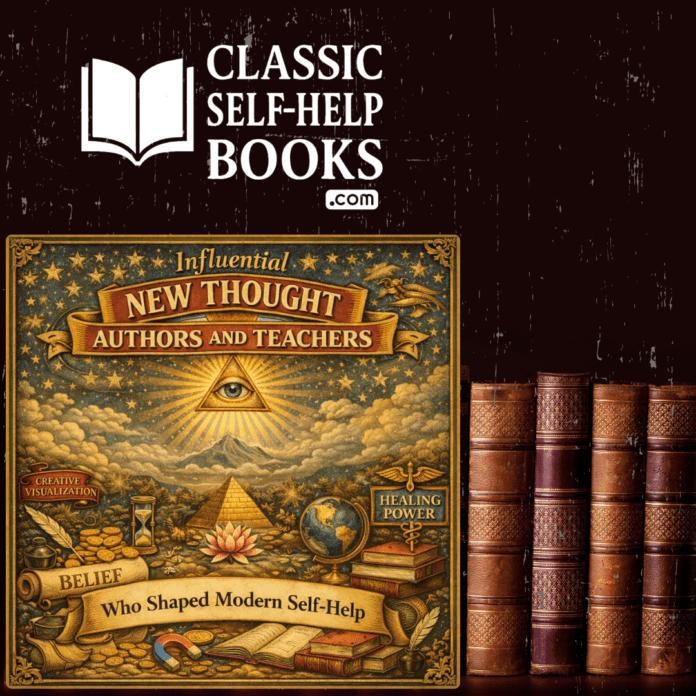
Who were the most influential authors of the New Thought Movement?
The most influential New Thought authors include Phineas Parkhurst Quimby, Warren Felt Evans, Julius Dresser and Horatio W. Dresser, James Allen, Wallace D. Wattles, Charles F. Haanel, Ralph Waldo Trine, Christian D. Larson, and Thomas Troward. Their writings established the philosophical, psychological, and practical foundations of modern self-help, success philosophy, and metaphysical thought.
Introduction
The New Thought Movement is inseparable from the writers and teachers who articulated its ideas and translated abstract metaphysical principles into practical guidance for everyday life. Unlike centralized religious traditions, New Thought developed through books, lectures, essays, and correspondence courses, making authorship the primary vehicle of transmission.
Many concepts now considered standard in self-help—such as mindset, mental discipline, inner causation, and conscious success—originated in the works of New Thought thinkers. Understanding these authors is essential not only for historical accuracy but also for restoring intellectual depth to contemporary personal development literature.
This article explores the most influential New Thought authors and teachers, tracing how their ideas collectively shaped modern self-help philosophy.
Phineas Parkhurst Quimby: The Intellectual Source
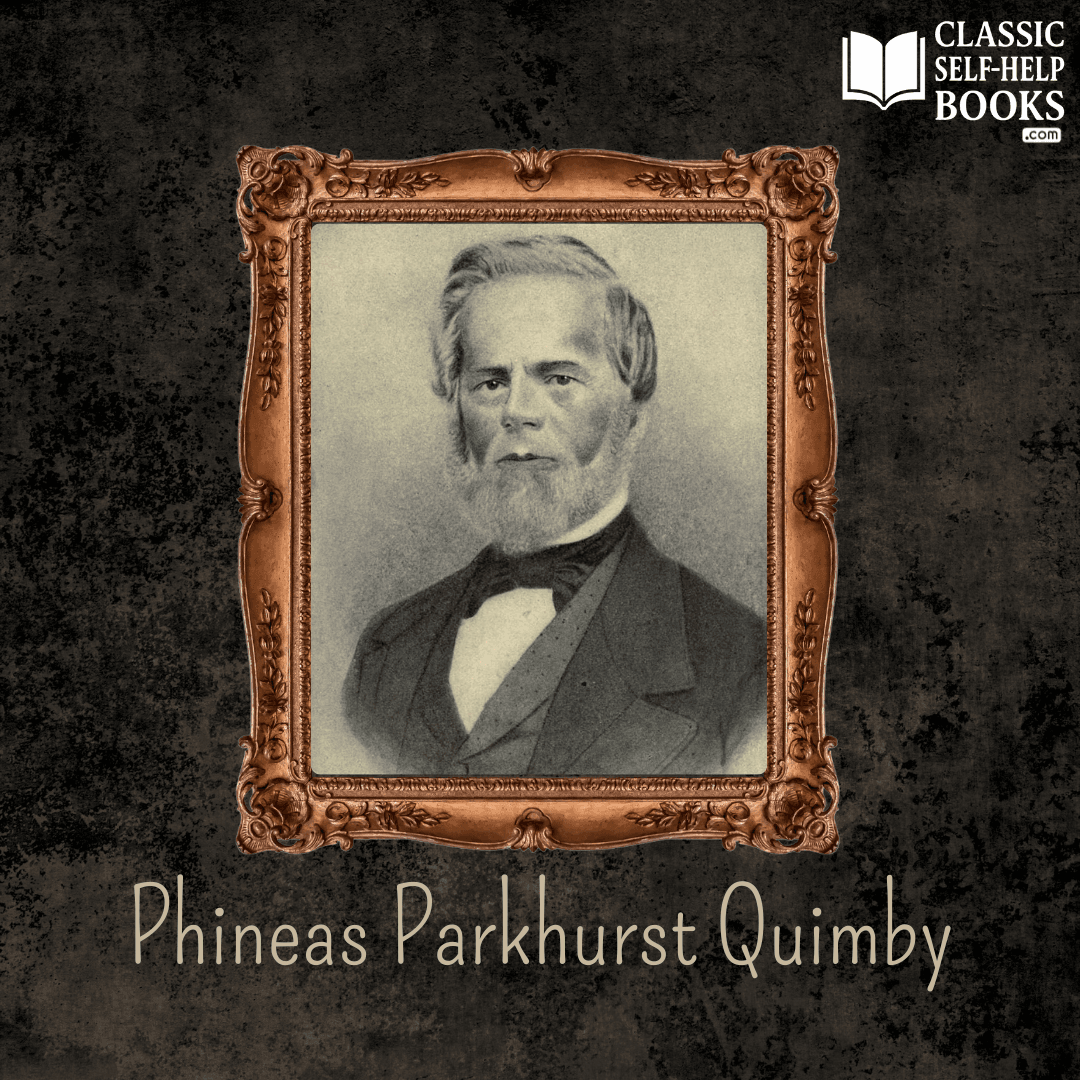
Although not a prolific author in the conventional sense, Phineas Parkhurst Quimby (1802–1866) is universally recognized as the intellectual source of the New Thought Movement.
Core Contributions
- Introduced the principle of mental causation
- Distinguished between belief-based illness and physical pathology
- Emphasized understanding over faith or ritual
Quimby’s manuscripts and case notes formed the conceptual nucleus from which later authors developed more structured philosophies. His insistence on rational inquiry set New Thought apart from purely mystical traditions.
Warren Felt Evans: Systematizing Mental Science
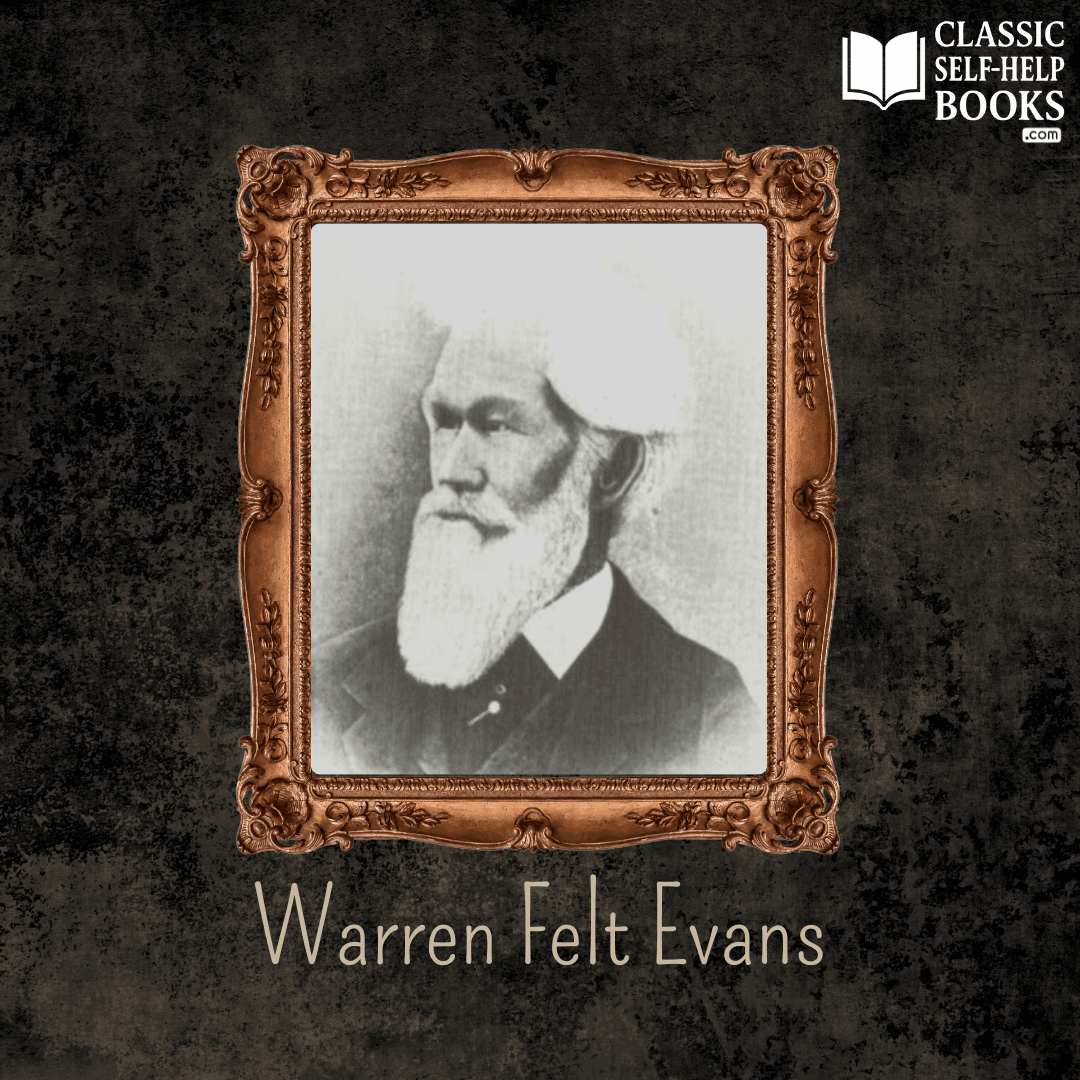
Warren Felt Evans (1817–1889) was among the first to transform Quimby’s insights into a coherent philosophical system.
Why Evans Matters
- Integrated idealism and psychology into New Thought
- Elevated mental healing into Mental Science
- Provided intellectual legitimacy to the movement
Evans’ writings bridged metaphysics and early psychology, influencing later authors who emphasized disciplined thinking and character formation.
Julius and Horatio W. Dresser: Preservation and Expansion
Julius Dresser
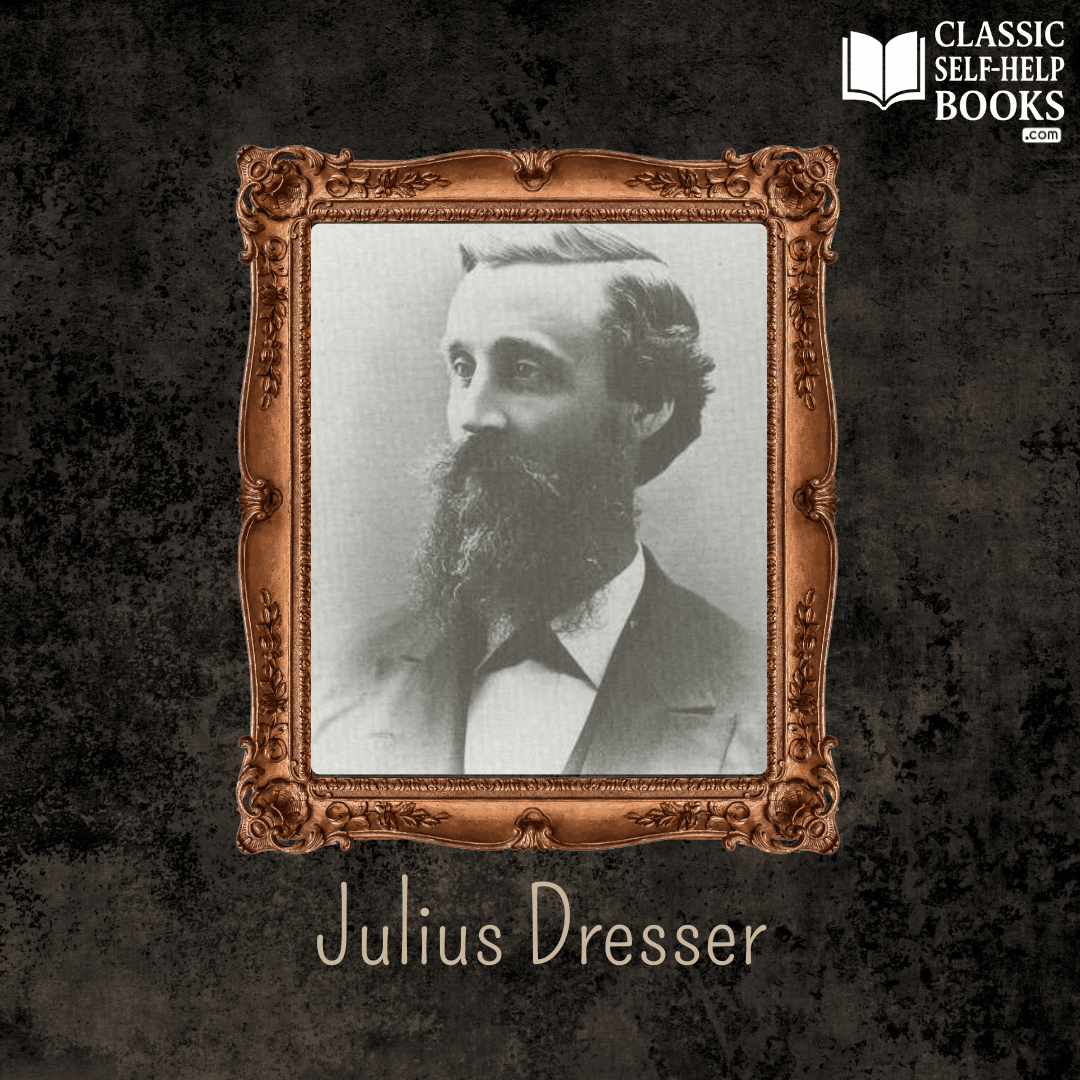
A direct student of Quimby, Julius Dresser helped preserve Quimby’s teachings and defended them against misinterpretation.
Horatio W. Dresser
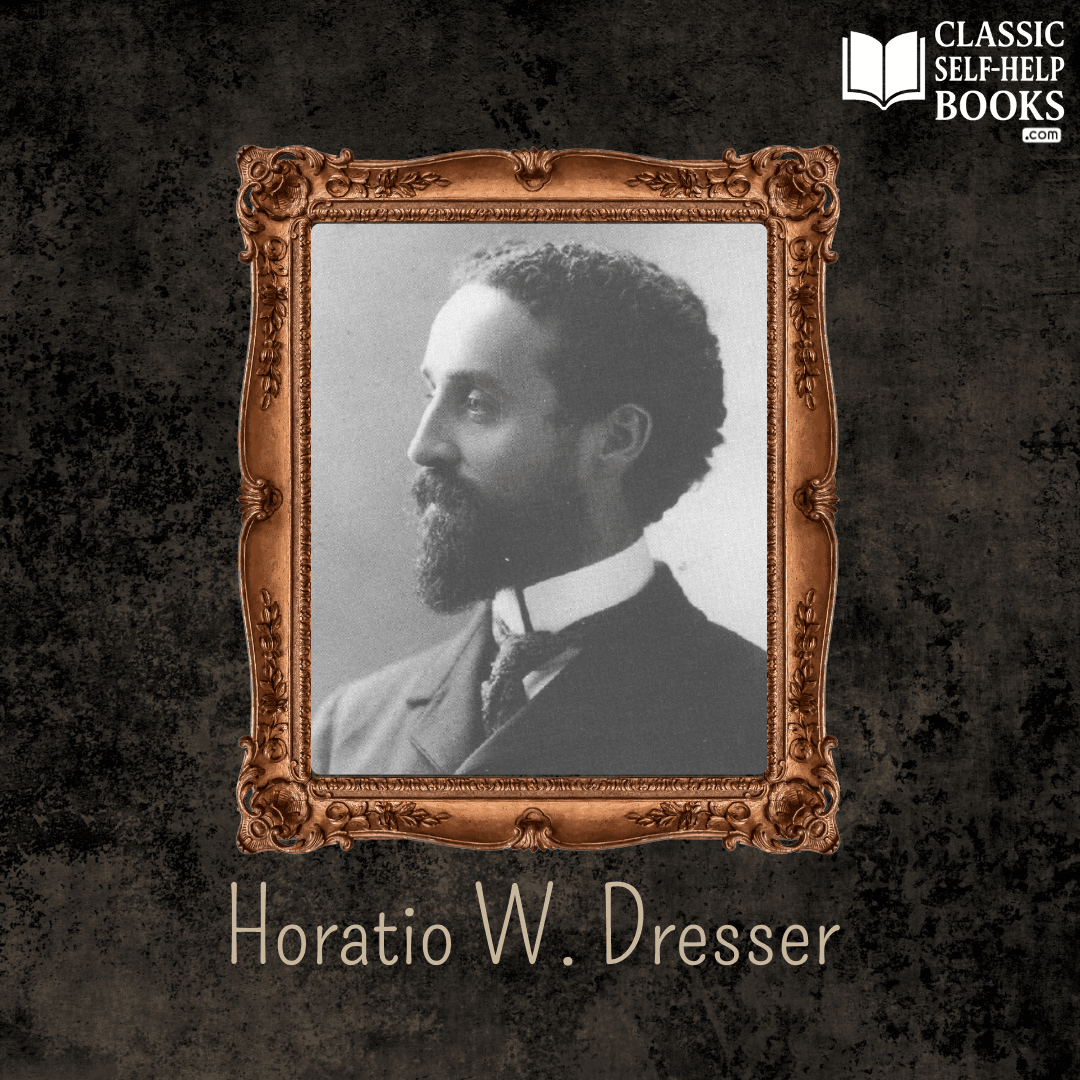
Horatio W. Dresser played a crucial role as historian, philosopher, and educator.
Key contributions include:
- Documenting New Thought’s origins
- Differentiating New Thought from Christian Science
- Expanding the movement’s philosophical scope
Without the Dressers, much of New Thought’s early intellectual history would have been lost.
Thomas Troward: Spiritual Law and Intellectual Rigor
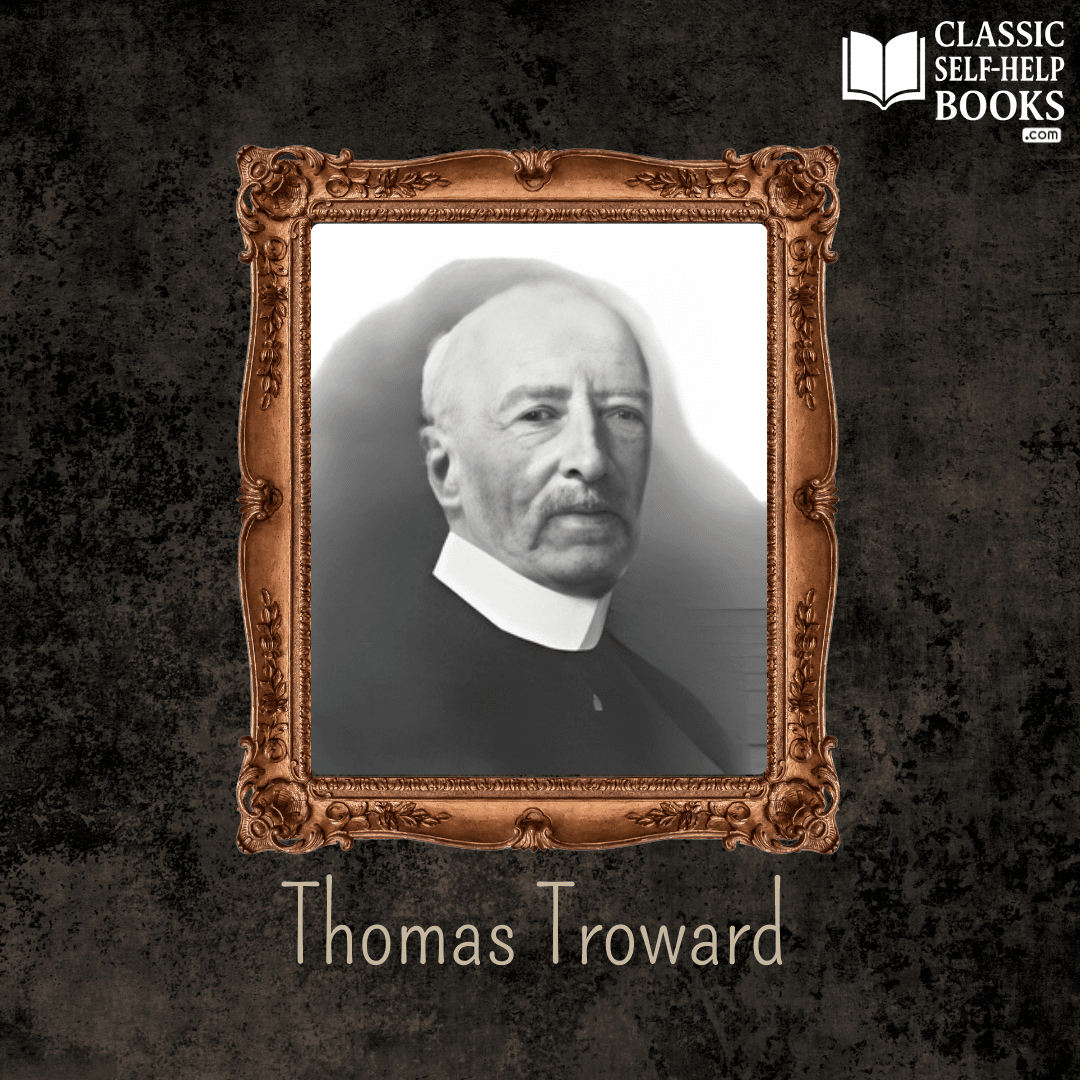
Thomas Troward (1847–1916) introduced a level of logical rigor that profoundly shaped later New Thought and Law of Attraction teachings.
Core Ideas
- Spiritual law operates impersonally and consistently
- Thought acts as a causal force
- Consciousness precedes form
Troward’s work framed metaphysical principles in near-scientific terms, influencing authors such as Charles F. Haanel and later success philosophers.
James Allen: Ethics, Character, and Inner Mastery
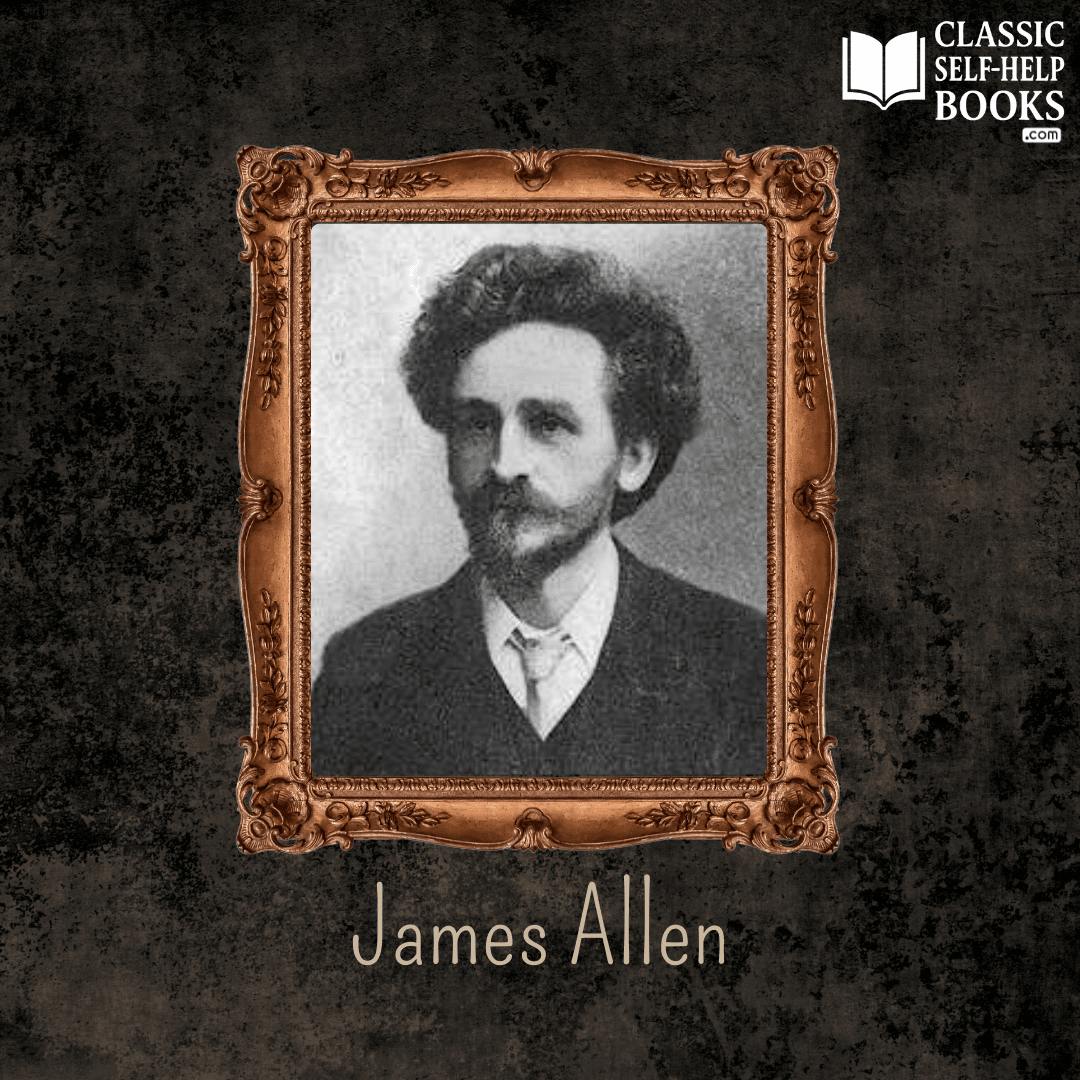
James Allen (1864–1912) remains one of the most widely read New Thought authors worldwide.
Distinctive Contribution
Allen emphasized:
- Moral character as the foundation of success
- Inner discipline over external acquisition
- Thought as the architect of destiny
His classic As a Man Thinketh distilled New Thought principles into timeless ethical wisdom, shaping generations of self-help readers.
Wallace D. Wattles: Prosperity as Lawful Outcome
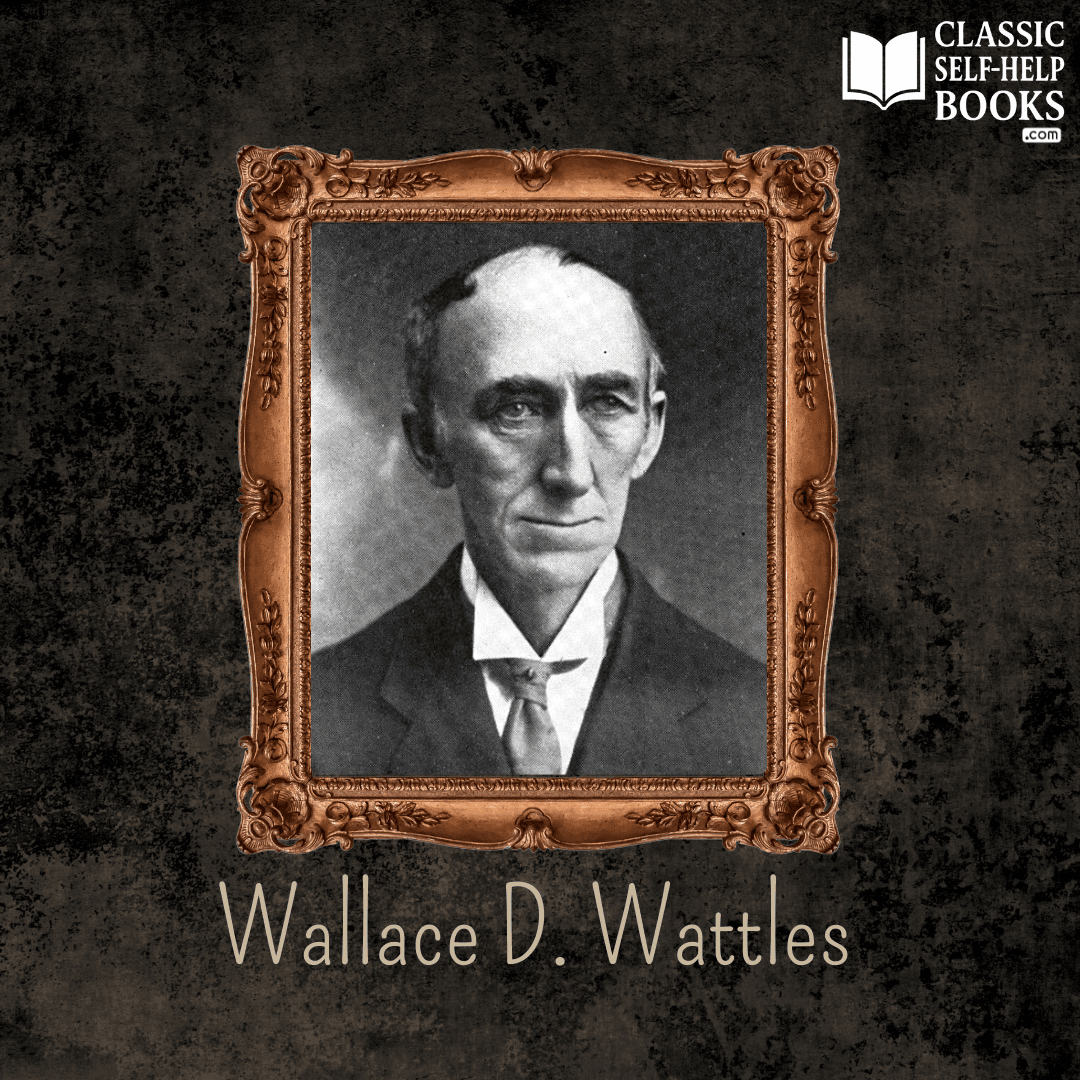
Wallace D. Wattles (1860–1911) focused explicitly on prosperity and material success.
Why Wattles Endures
- Framed wealth as a lawful, spiritual process
- Emphasized creative thought over competition
- Integrated gratitude, purpose, and action
His book The Science of Getting Rich directly influenced later prosperity teachings and modern manifestation culture.
Charles F. Haanel: Mental Discipline and Success Science

Charles F. Haanel (1866–1949) brought New Thought into the realm of structured self-improvement.
Key Contributions
- Developed systematic mental training
- Connected concentration with achievement
- Influenced Napoleon Hill and success literature
The Master Key System remains one of the most influential New Thought–based programs ever published.
Ralph Waldo Trine: Harmony and Spiritual Living
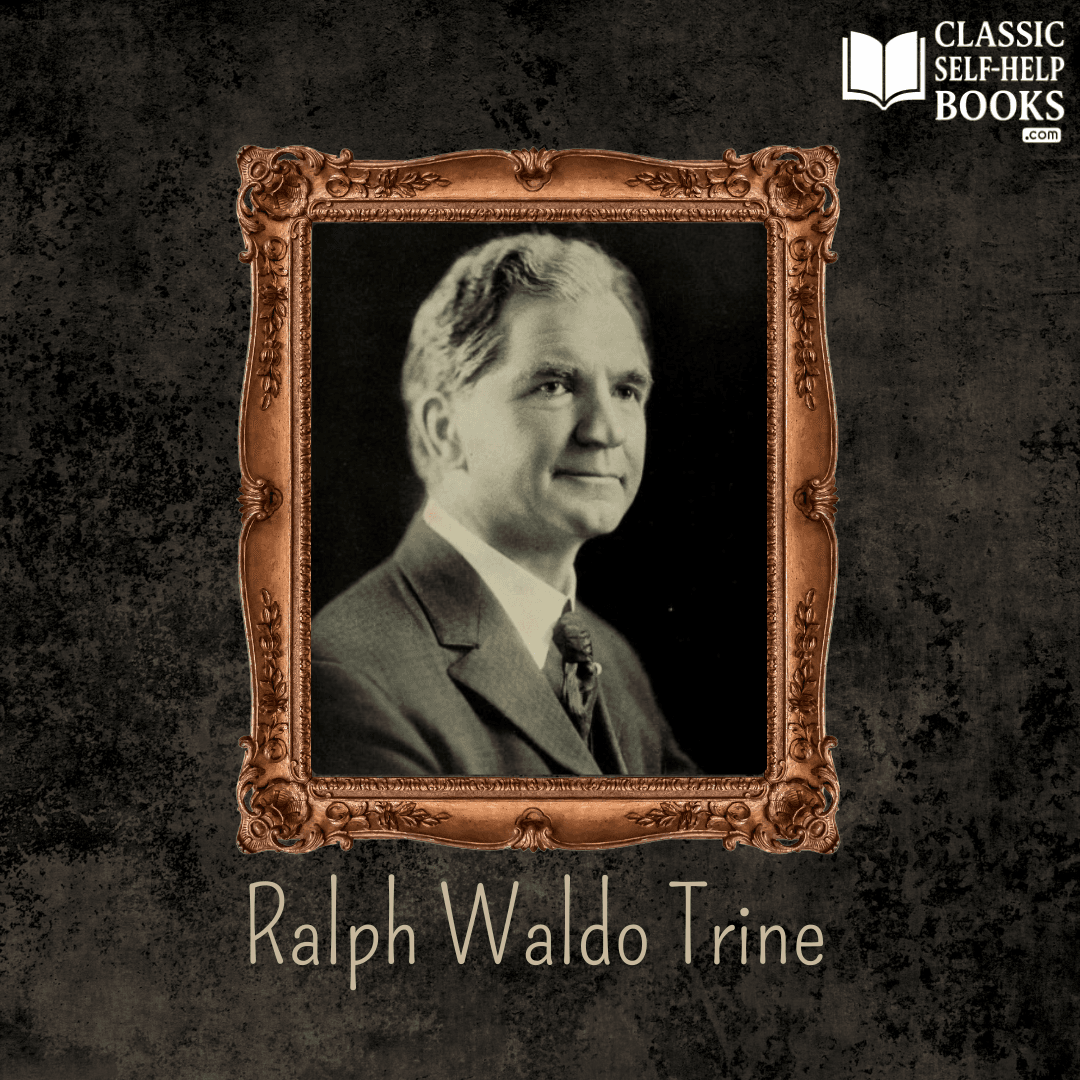
Ralph Waldo Trine (1866–1958) emphasized balance, harmony, and spiritual alignment.
Trine’s Focus
- Inner peace as the basis of success
- Simplicity and spiritual living
- Non-dogmatic spirituality
His writings broadened New Thought’s appeal beyond success-seeking audiences to those interested in holistic well-being.
Christian D. Larson: Optimism and Constructive Thought
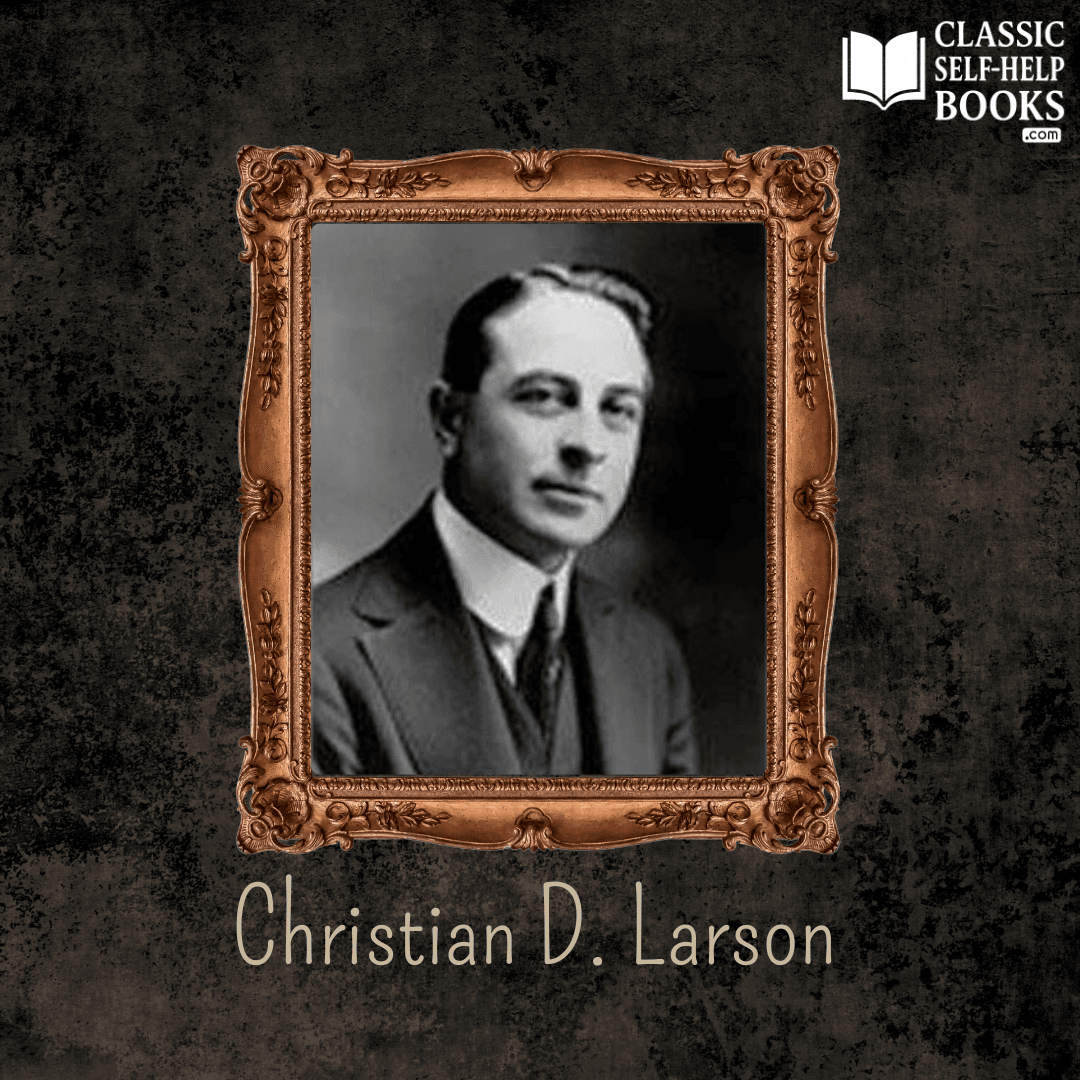
Christian D. Larson (1874–1954) popularized New Thought through accessible, uplifting prose.
Hallmarks
- Affirmative thinking
- Personal empowerment
- Everyday application of metaphysical principles
Larson’s work helped bring New Thought ideas to a mass audience during the early 20th century.
Collective Impact on Modern Self-Help
New Thought authors collectively established the intellectual foundation of modern self-help by teaching that thought influences reality, character determines destiny, and success follows spiritual law. Their writings shaped later movements in motivation, prosperity teaching, and personal development psychology.
New Thought Authors vs. Modern Influencers
Unlike many contemporary self-help figures, early New Thought authors:
- Grounded teachings in philosophy
- Emphasized ethics and responsibility
- Avoided purely materialistic goals
This distinction explains the enduring relevance of their works.
Why These Authors Still Matter
Understanding these authors restores:
- Historical accuracy
- Philosophical depth
- Ethical grounding
Their ideas remain relevant because they address universal human concerns: meaning, agency, discipline, and purposeful living.
Living Legacy of New Thought Authors
The New Thought Movement is best understood as a literary and philosophical lineage. Through books that continue to be read worldwide, its authors remain active participants in contemporary conversations about success, well-being, and conscious living.
FAQ about Influential New Thought Authors and Teachers Who Shaped Modern Self-Help
1. Who were the most influential authors of the New Thought Movement?
The most influential New Thought authors include Phineas Parkhurst Quimby, Warren Felt Evans, Julius and Horatio W. Dresser, Thomas Troward, James Allen, Wallace D. Wattles, Charles F. Haanel, Ralph Waldo Trine, and Christian D. Larson.
2. Why are New Thought authors important in the history of self-help?
New Thought authors were among the first to articulate systematic principles of mental causation, conscious thinking, and personal responsibility, forming the intellectual foundation of modern self-help and personal development literature.
3. What role did Phineas Parkhurst Quimby play in New Thought authorship?
Phineas Parkhurst Quimby is considered the philosophical source of New Thought. Although he published little during his lifetime, his ideas on mental healing and belief influenced nearly all later New Thought authors.
4. How did New Thought authors differ from traditional religious writers?
New Thought authors focused on metaphysical principles, rational inquiry, and practical application rather than theology, dogma, or institutional religion. Their work emphasized experience, understanding, and personal transformation.
5. Which New Thought authors most influenced success and prosperity teachings?
Authors such as Wallace D. Wattles, Charles F. Haanel, James Allen, and Thomas Troward strongly influenced success philosophy by framing prosperity as a lawful outcome of aligned thinking and disciplined consciousness.
6. How are New Thought authors connected to the core principles of New Thought philosophy?
New Thought authors expressed core principles such as Universal Mind, spiritual law, and the creative power of thought, expanding on the philosophical foundations explained in the core principles of New Thought philosophy.
7. Where can readers learn more about individual New Thought authors?
Readers can explore detailed biographies of key New Thought figures, including James Allen, Wallace D. Wattles, Charles F. Haanel, and Ralph Waldo Trine, to better understand their lives and teachings.
8. How did New Thought authors shape the early history of the movement?
Through books, lectures, and essays, New Thought authors transformed a healing-based philosophy into a coherent movement that spread across America during the late 19th and early 20th centuries.